

What Is Whitening Ingredient
Skin whitening, also known as skin lightening and skin bleaching, is the practice of using chemical substances in an attempt to lighten the skin or provide an even skin color by reducing the melanin concentration in the skin. Several chemicals have been shown to be effective in skin whitening, while some have proven to be toxic or have questionable safety profiles. This includes mercury compounds which may cause neurological problems and kidney problems. Areas of increased pigmentation such as moles may be depigmented to match the surrounding skin. Effective agents for specific areas include corticosteroids, tretinoin, and hydroquinone. Attempts to whiten large areas of skin may also be carried out by certain cultures.This may be done for reasons of appearance, politics, or economics.
Advantages of Whitening Ingredient
Protect your skin’s moisture barrier
Between hot showers, harsh soaps, and the environmental stressors around you, the skin on your body can take a beating. That’s why it’s important to moisturize your entire body — giving extra TLC to your knees, elbows, and hands, to replenish moisture lost during these moments. As a bonus, antioxidants and other ingredients can help create a protective barrier against unwanted environmental stress.
Relieve itchy skin from extreme weather
Dry air (cold winter months, hot summers, drier climates, air travel, and more) can exacerbate dry skin because of low humidity (less moisture in the air). These conditionsis leads to thate red, itchy, flaky skin we’ve all experienced! Without adding moisturizing ingredients to the skin's surface, it cannot draw the normal amount of humidity from the air into the skin.
Enjoy soft, supple skin year-round
The benefits of moisturizing your body aren’t just about banishing or balancing out dry skin. Soft, supple skin is a good sign of overall health. The most important times to use moisturizer are after a shower, a shave, or exfoliation, because these activities strip all the moisture and oils out of your skin, leaving it dehydrated parched and rough.
More youthful-looking complexion
Regular moisturizing helps to nourish your skin in the long term, potentially slowing the signs of aging. In addition, regularly applying face moisturizer prevents wrinkles and tired-looking skin in the long run for an overall youthful-looking complexion.
-
![Tranexamic Acid 99%]() Tranexamic Acid 99%INCI name: Tranexamic Acid CAS No. 1197-18-8 EC No. 214-818-2 Molecular Formula C8H15NO2 Molecular Weight 157.21 g/mol Appearance White crystalline powder Solubility Freely soluble inread more
Tranexamic Acid 99%INCI name: Tranexamic Acid CAS No. 1197-18-8 EC No. 214-818-2 Molecular Formula C8H15NO2 Molecular Weight 157.21 g/mol Appearance White crystalline powder Solubility Freely soluble inread more -
![Whitevo™ VCE]() Whitevo™ VCEINCI Name: 3-O-Ethyl-L-ascorbic Acid Cas. 86404-04-8 Molecular Formula C8H12O6 Molecular Weight 204.18 Purity 99% Appearance White powder Production Process Chemical synthesisread more
Whitevo™ VCEINCI Name: 3-O-Ethyl-L-ascorbic Acid Cas. 86404-04-8 Molecular Formula C8H12O6 Molecular Weight 204.18 Purity 99% Appearance White powder Production Process Chemical synthesisread more -
![Ascorbyl Glucoside Powder 99%]() Ascorbyl Glucoside Powder 99%INCI Name: Ascorbyl Glucoside Cas. 129499-78-1 Molecular Formula C12H18O11 Molecular Weight 338.26 Purity 99% Appearance White powder Production Process Chemical synthesisread more
Ascorbyl Glucoside Powder 99%INCI Name: Ascorbyl Glucoside Cas. 129499-78-1 Molecular Formula C12H18O11 Molecular Weight 338.26 Purity 99% Appearance White powder Production Process Chemical synthesisread more -
![WhitevoTM ButylRes 4-Butylresorcinol Powder 99%]() WhitevoTM ButylRes 4-Butylresorcinol Powder 99%INCI Name: 4-Butylresorcinol Cas. 18979-61-8 Molecular Formula C10H14O2 Molecular Weight 166.22 Purity 99% Appearance White powder Main Function Whitening, lighten spots, fade acneread more
WhitevoTM ButylRes 4-Butylresorcinol Powder 99%INCI Name: 4-Butylresorcinol Cas. 18979-61-8 Molecular Formula C10H14O2 Molecular Weight 166.22 Purity 99% Appearance White powder Main Function Whitening, lighten spots, fade acneread more -
![Whitevo™HexylRes]() Whitevo™HexylResINCI Name: 4-Hexylresorcinol Cas. 136-77-6 Molecular Formula C12H18O2 Molecular Weight 194.27 Purity 99% Appearance White or light orange or light pink powder Main Functionread more
Whitevo™HexylResINCI Name: 4-Hexylresorcinol Cas. 136-77-6 Molecular Formula C12H18O2 Molecular Weight 194.27 Purity 99% Appearance White or light orange or light pink powder Main Functionread more -
![Plant Extract Glabridin Powder 40% 90%]() Plant Extract Glabridin Powder 40% 90%Cas.: 59870-68-7 Cas. 136-77-6 Molecular Formula C20H20O4 Molecular Weight 324.37 Purity ≥98% Appearance White to light brown powder Production Process Chemical synthesisread more
Plant Extract Glabridin Powder 40% 90%Cas.: 59870-68-7 Cas. 136-77-6 Molecular Formula C20H20O4 Molecular Weight 324.37 Purity ≥98% Appearance White to light brown powder Production Process Chemical synthesisread more


Our factory
BrightGene Bio-Medical Technology Co., Ltd is a high-end pharmaceutical company with high-barrier intermediates and APls as its core. Founded in 2001, the company has accumulated more than 20 years in the field of characteristic APls and has established core drug R&D technology platforms such as fermentation semi-synthesis, multichiral drugs, non-biological macromolecules, inhalation preparations, and conjugated drugs.
R&D strength
Team: 83 R&D person, 86% of them are bachelor degree or above. Platform: Fully autonomous chassis cell database; Fully autonomous editing tool for screening models.
Production equipment
Research institute has a laboratory area of over 5000 m², with high price advanced analytical equipment like NMR,ICP-MS, & 400M NMR.
Innovation
Synthetic biology drives innovative development in biopharmaceuticals, personal care, and Nutritional Supplements. The company has invested in a large-scale fermentation production line with an annual capacity of hundreds of tons of active ingredients, which is now fully operational. The company has also assembled a professional team focused on the global active ingredients market. The business has expanded rapidly, achieving partnerships and channel development with hundreds of global brands.
Whitening Ingredients in Cosmetics


Vitamin C
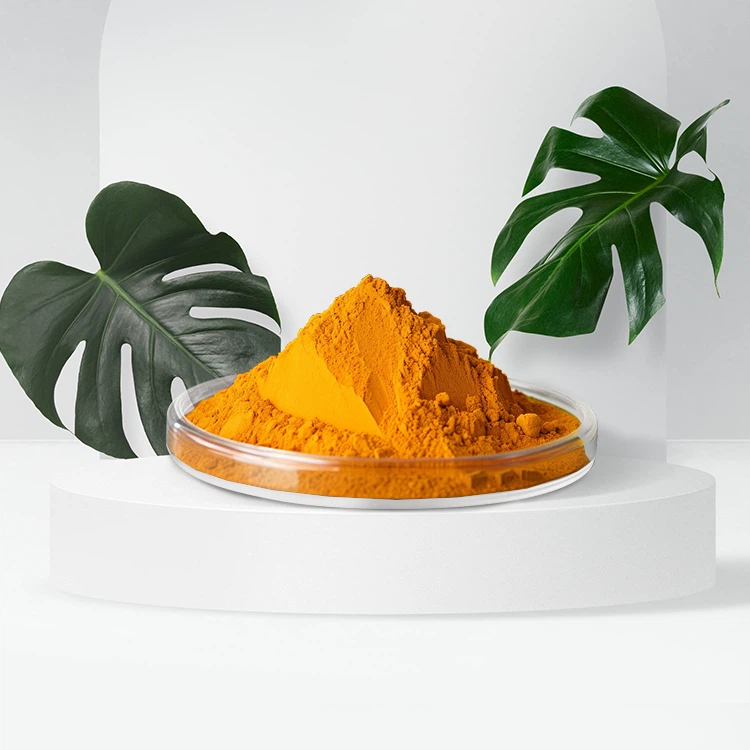
Vitamin C blocks tyrosinase, an enzyme the body uses to produce melanin. This makes it a natural skin lightening agent. It’s a powerful antioxidant that further provides protection against further damage from the sun and environmental factors. It is worth noting that people with sensitive skin may experience burning or redness after using cosmetics with vitamin C. This is not a cause for concern and can be safely used to reduce the appearance of hyperpigmentation.
Alpha arbutin
Alpha Arbutin is a safe and effective alternative to hydroquinone, a popular skin lightening ingredient that has been banned in the UK, Japan, the European Union or Australia. Alpha Arbutin is a natural ingredient that reduces pigment production in the skin and is particularly effective at removing sun spots and acne blemishes. In order to obtain maximum benefits, it is worth looking for cosmetics, which in their formulas combine alpha Arbutin and vitamin C.
Licorice root extract
Licorice root extract has been used for years in Ayurveda to brighten the skin. It is a powerful antioxidant that has a whitening and brightening effect. It neutralizes free radicals and has soothing and rejuvenating properties. The glabridine content makes it block the enzyme tyrosinase, responsible for the formation of freckles, spots and discoloration, thanks to which has a depigmenting and whitening effect. Reduces post-sun redness and evens out skin tone.
Kojic acid
Kojic acid is a by-product of fermentation of certain types of fungi and, like vitamin C, inhibits tyrosinase enzymes. It provides the skin with a concentrated dose of antioxidants, protecting it from the damaging effects of free radicals. The kojic acid found in cosmetics, although an ingredient of natural origin, can cause swelling and redness.
Retinol
Accelerates cell regeneration and renewal in the upper layers of the skin, leaving it clear and brighter as a result. Retinol is a form of vitamin A and a popular ingredient in cosmetics and treatments dedicated to hyperpigmented skin. It stimulates cell renewal, bringing healthier and new cells to the skin’s surface and exfoliating the older, dead and darker ones.
Niacinamide
Niacinamide is a form of vitamin B3 that is involved in cell metabolism. Topical application of cosmetics with this ingredient in the INCI formula can interrupt cellular pigmentation and brighten the skin. It is also used in the treatment of acne, so it can prevent blemishes and scars. For best results, using it with other brightening ingredients such as vitamin C and retinol is a good option.
Azelaic Acid
Azelaic acid is an organic acid that is found in barley or rye grains. It has anti-inflammatory effects and can inhibit melanin production in the skin. It is more gentle than other acids and, unlike retinoids, can be used by pregnant women. Brightening cosmetics with azelaic acid will reduce the appearance of melasma, a type of hyperpigmentation that occurs due to hormonal changes during pregnancy.
Choosing good depigmenting cosmetics for skin with freckles and hyperpigmentation problems can be difficult.
Always do a patch test before using any new product: Apply a small amount of the product on your inner arm or behind your ear and wait 24 hours. If you experience any irritation, redness, or itching, stop using the product immediately and consult a doctor.
Follow the instructions on the product label
Do not use more than the recommended amount or frequency. Only mix different products or ingredients after consulting a professional. Do not use expired or damaged products. Find 6 steps on how to design perfect product labels here.
Use sunscreen every day
Whitening face products may make your skin more sensitive to sun damage, which may reverse the whitening effects and cause more discoloration. Apply a broad-spectrum sunscreen with at least spf 30 before going outdoors and reapply every two hours.
Moisturize your skin regularly
Whitening face products may dry out your skin, leading to flaking, cracking, or peeling. Use a moisturizer that suits your skin type and contains hydrating ingredients such as hyaluronic acid, glycerin, or aloe vera. Learn the reasons why you should be moisturizing- every day here.
Be patient and consistent
Whitening face products take time to show results, usually four to eight weeks. Do not expect overnight miracles or drastic changes. Use the products regularly and consistently for the best results.
Monitor your skin condition
Adjust your routine accordingly if you notice any improvement or worsening of your skin tone, texture, or appearance. If you experience severe or persistent side effects, stop using the product and seek medical help.
Tips for Choosing the Right Whitening Ingredient Product
Know your skin type and concerns
Identifying your skin type: Dry, oily, combination, or sensitive. Understanding your skin concerns: Dark spots, uneven tone, acne scars, etc.
Read the ingredients list
Key whitening agents: Hydroquinone, kojic acid, arbutin, etc. Avoiding harmful ingredients: Parabens, mercury, and steroids.
Check for clinical evidence and reviews
Look for products backed by clinical studies and research. Customer reviews: Assessing real-life experiences and testimonials.
Seek dermatologist recommendations
Consulting a dermatologist: Professional advice for individualized care. Prescription-only whitening creams: When are they necessary?
Patch test before use
Perform a patch test: Checking for allergic reactions or sensitivities. Observing reactions: Determining suitability for prolonged use.
Sunscreen in whitening creams
Whitening creams with sunscreen: Combining lightening and sun protection. Importance of sunscreen for effective whitening and skin protection.
Choose products from reputable brands
Opting for established and trustworthy brands. Researching company ethics: Supporting ethical and responsible brands.
Consider product price and quantity
Balancing quality and price: Value for money. Checking product quantity: Cost-effectiveness and frequency of use.
Assess packaging and storage
Packaging quality: Preserving ingredients and preventing contamination. Storage requirements: Storing whitening creams properly for longevity.
Whitening Ingredient Mechanism of Action
Skin whitening agents work by reducing the presence of melanin pigment in the skin.
Inhibition of the activity of tyrosinase
The catalytic action of tyrosinase is inhibited by the skin whitening agent. Inhibition of the expression or activation of tyrosinase: The anti melanogenic agent causes less tyrosinase to be generated or prevents tyrosinase from being activated to its functional form. Scavenging of the intermediate products of melanin synthesis. Upregulation of tyrosinase caused by tyrosinase inhibitors. Several skin whitening agents, including tyrosinase inhibitors, have been found to cause an increase in the expression of tyrosinase, which by itself would increase melanin synthesis.
Microphthalmia-associated transcription factor (MITF) is the master transcription factor that controls the expression of TYR, TRP1, and TRP2, MART1, PMEL17, and many other important proteins involved in the function of melanocytes. Downregulation of MITF decreases melanogenesis and is a mechanism of action of some skin whitening agents.Various signaling pathways and genetic mutations influence the expression of MITF.
MC1R receptor and cAMP
The melanocortin 1 receptor (MC1R) is a transmembrane and G-protein coupled receptor expressed in melanocytes. MC1R is an important target for the regulation of melanogenesis.[43][44][40] Agonism of MC1R increases the ratio of eumelanin to pheomelanin and increases the generation of melanin overall.
The MC1R and cAMP signaling pathway starts with the activation of MC1R, which causes activation of adenylyl cyclase (AC), which produces cyclic adenosine monophosphate (cAMP), which activates protein kinase A (PKA), which activates by protein phosphorylation cAMP response element-binding protein (CREB), which upregulates MITF, of which CREB is a transcription factor.
Alpha-melanocyte stimulating hormone (α-MSH), beta-melanocyte stimulating hormone (β-MSH), and adrenocorticotropic hormone are endogenous agonists of MC1R. Agouti signaling protein (ASIP) appears to be the only endogenous antagonist of MC1R. Synthetic MC1R agonists have been designed, such as the peptides afamelanotide and melanotan II.
Mutations of the MC1R gene correlate are at least partially responsible for red hair, white skin, and an increased risk for skin cancer in some individuals.
Transfer of melanosomes
Within the skin, melanocytes are present in the basal layer of the epidermis; from these, melanocytes originate dendrites that reach keratinocytes.
Melanosomes, along with the melanin they contain, are transferred from melanocytes to keratinocytes when keratinocytes are low in the epidermis.Keratinocytes carry the melanosomes with them as they move toward the surface. Keratinocytes contribute to skin pigmentation by holding the melanin originating in melanocytes and inducing melanogenesis through chemical signals directed at melanocytes. The transfer of melanosomes to keratinocytes is a necessary condition for the visible pigmentation of the skin.[50] Blocking this transfer is a mechanism of action of some skin whitening agents.
The protease-activated receptor 2 (PAR2) is a transmembrane and G-protein coupled receptor expressed in keratinocytes and involved in melanocyte transfer. Antagonists of PAR2 inhibit the transfer of melanosomes and have skin whitening effects, while agonists of PAR2 have the opposite effect.
Destroying melanocytes
Some compounds are known to destroy melanocytes; this mechanism of action is often used to remove the remaining pigmentation in cases of vitiligo.

Hydrate the skin using moisturisers and hydrating creams. Gentle exfoliation treatment using various methods (eg AHA, gentle facial scrubs, exfoliation creams like Retin-A, microdermabrasion and chemical peels)
Meticulous sun protection – avoid going outdoors during the sunniest period of the day, use umbrellas, hats and protective clothing, and apply sunscreen regularly. Adopting a healthy lifestyle – have sufficient sleep, manage stress and eat healthily.
BrightGene Bio-Medical Technology Co., Ltd is a high-end pharmaceutical company with high-barrier intermediates and APls as its core. Founded in 2001, the company has accumulated more than 20 years in the field of characteristic APls and has established core drug R&D technology platforms such as fermentation semi-synthesis, multichiral drugs, non-biological macromolecules, inhalation preparations, and conjugated drugs. Since its development, the company has vertically expanded the industrial chain and extended to the downstream preparation field; horizontally opened up the profit model, and made profits through the investment layout and transfer of biosynthesis and other technologies and the industrialization of large health raw materials.


Certificates

FAQ
BrightGene Health is one of the leading brightening ingredients manufacturers and suppliers in China. We warmly welcome you to wholesale bulk brightening ingredients in stock here from our factory. All our products are with high quality and competitive price.
whitening ingredient, Ascorbyl Glucoside Powder 99 , 136-77-6