Cas.
Cas.  Molecular Formula
  Molecular Weight
  Appearance
  Storage
 Application
Human milk The term "oligosaccharides" (HMOs) describes a family of oligomeric carbohydrates that are connected by glycosidic linkages between three to ten monosaccharide units to form either straight or branched chains. The typical expression for its molecular formula is (C6H10O5) n, where n is between 3 and 10. HMOs are typically only 30% to 60% sweeter than sucrose, making it difficult for the intestine to absorb and digest them.
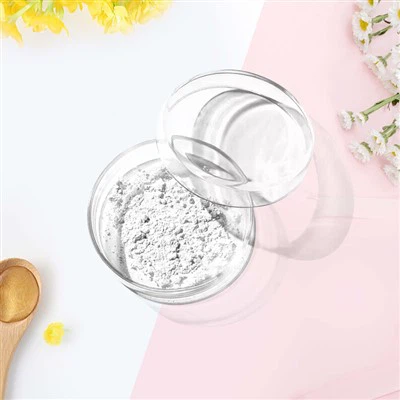
With roughly 10g/L, HMOs are the third most abundant nutrient in breast milk and are crucial to the growth and development of infants. They rank higher than protein and only behind lactose and fat. There are known to be over 200 distinct HMOs, and each one may perform a unique role. HMO levels in colostrum can reach 20–25 g/L, but in mature milk, they drop to roughly 10-15 g/L.What we produce is Human Milk Oligosaccharides (HMOs, Lacto-N-triose Ⅱ).
Structure

HMOs can prevent fatal streptococcal infections in infants, especially lacto-n-difucohexaose, which promotes the production of beneficial bacteria in the gut and prevents GBS infection in newborns;
They can be used as prebiotics to affect the composition of intestinal microbiota;
They can act as anti-adhesion agents or receptor decoys to prevent pathogens such as viruses and bacteria from binding to sugars on the surface of epithelial cells;
They can act as immunomodulators to alter host epithelial and immune cell responses, which has potential health benefits.
Among the more than 200 oligosaccharides found in human milk, lactobacillus plantarum is a symbiotic bacteria that regulates human intestinal flora and boosts immunity. Through fermentation or other processes, LNT II can induce and enhance this bacterial adhesion, as well as increase the relative abundance of bifidobacterium, which is a naturally occurring disease-resistant factor that is advantageous to both infants and adults. It is a constituent in infant formula supplements, special dietary infant formula, and first-stage infant formula (0–1 years), as well as second-stage infant formula (6 months–1 years).
The addition of HMOs in the current infant formula is not common, but it plays an important role in the growth and development of infants.
Certificate Display

Exhibition Photos

Company Profile

Hot Tags: human milk oligosaccharides (hmos, lacto-n-triose ⅱ), China human milk oligosaccharides (hmos, lacto-n-triose ⅱ) manufacturers, suppliers, infants nutrition, Human Milk Oligosaccharides HMOs 2 Focusllactose , Human Milk Oligosaccharides HMOs Lacto N triose , Human Milk Oligosaccharides HMOs 3 Focusllactose , 41263-94-9, 41312-47-4